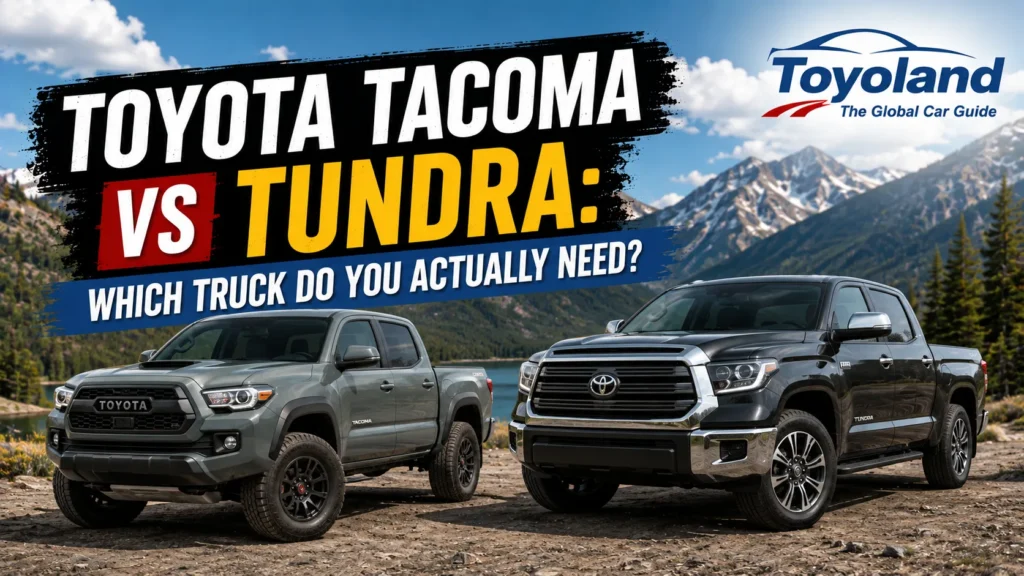
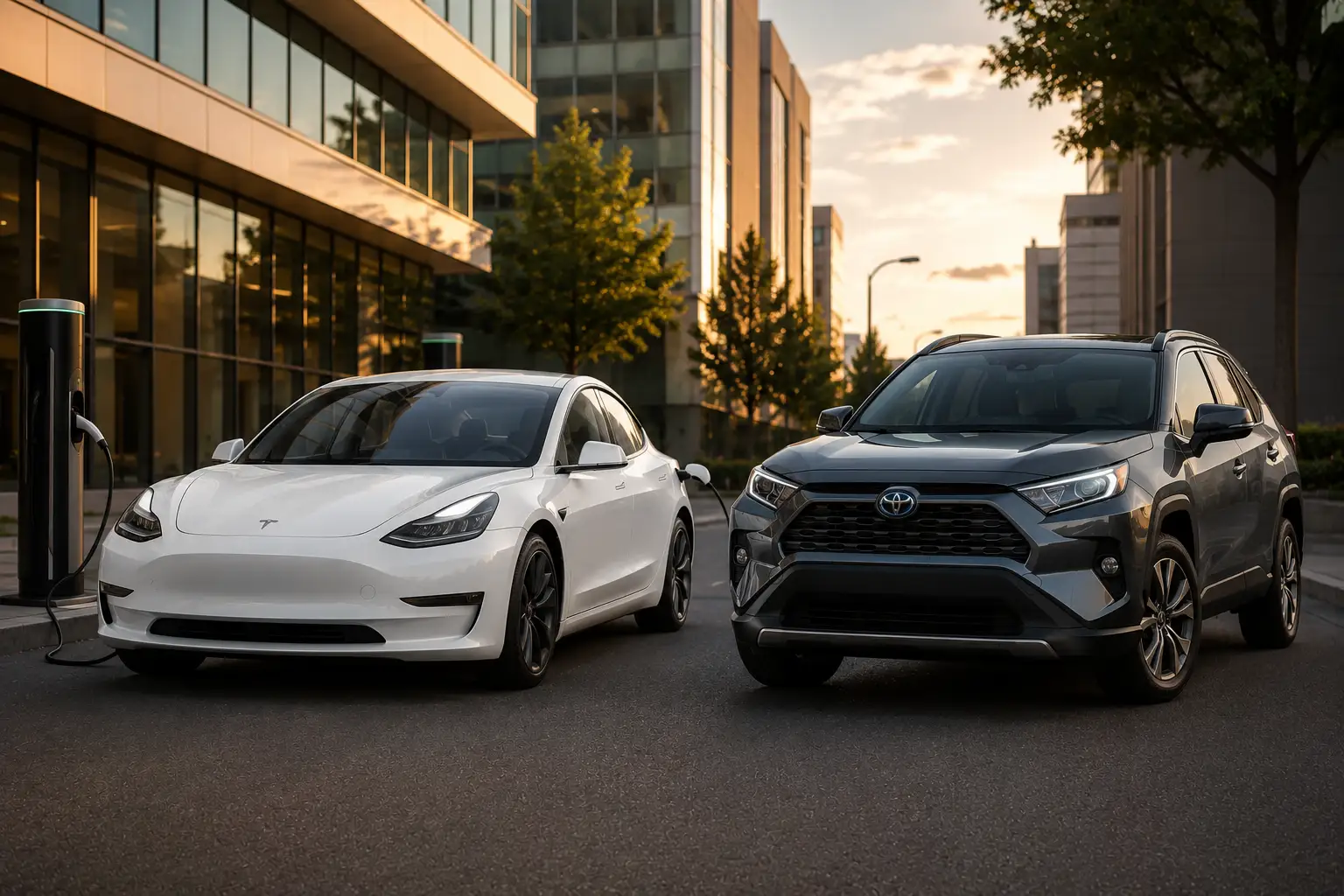
Toyota’s truck aisle presents a nine-thousand-dollar question, and most buyers answer it with vibes. Here’s the number that should answer
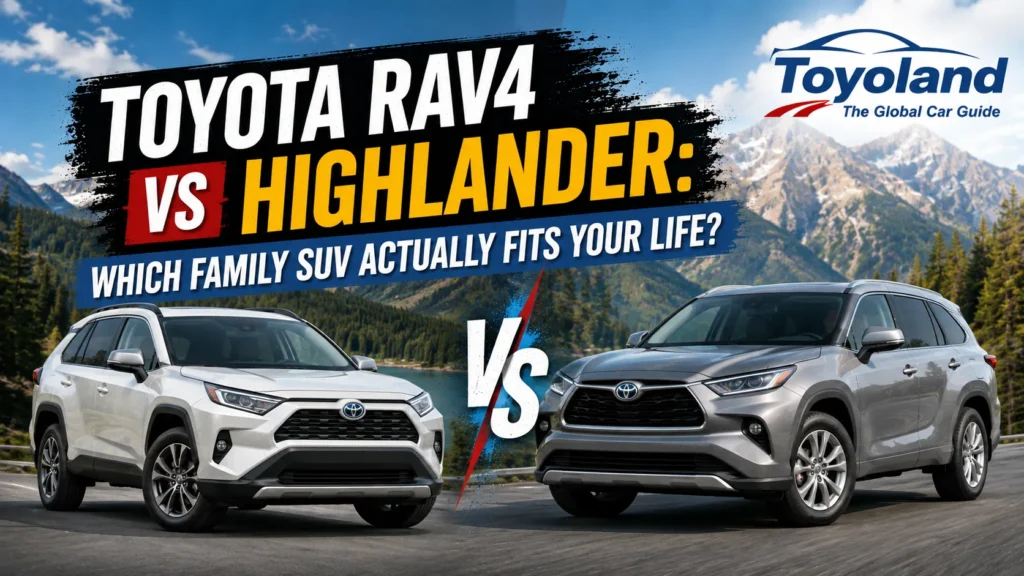
Every Toyota dealership hosts the same conversation daily: a family stands between a RAV4 and a Highlander, both wearing the
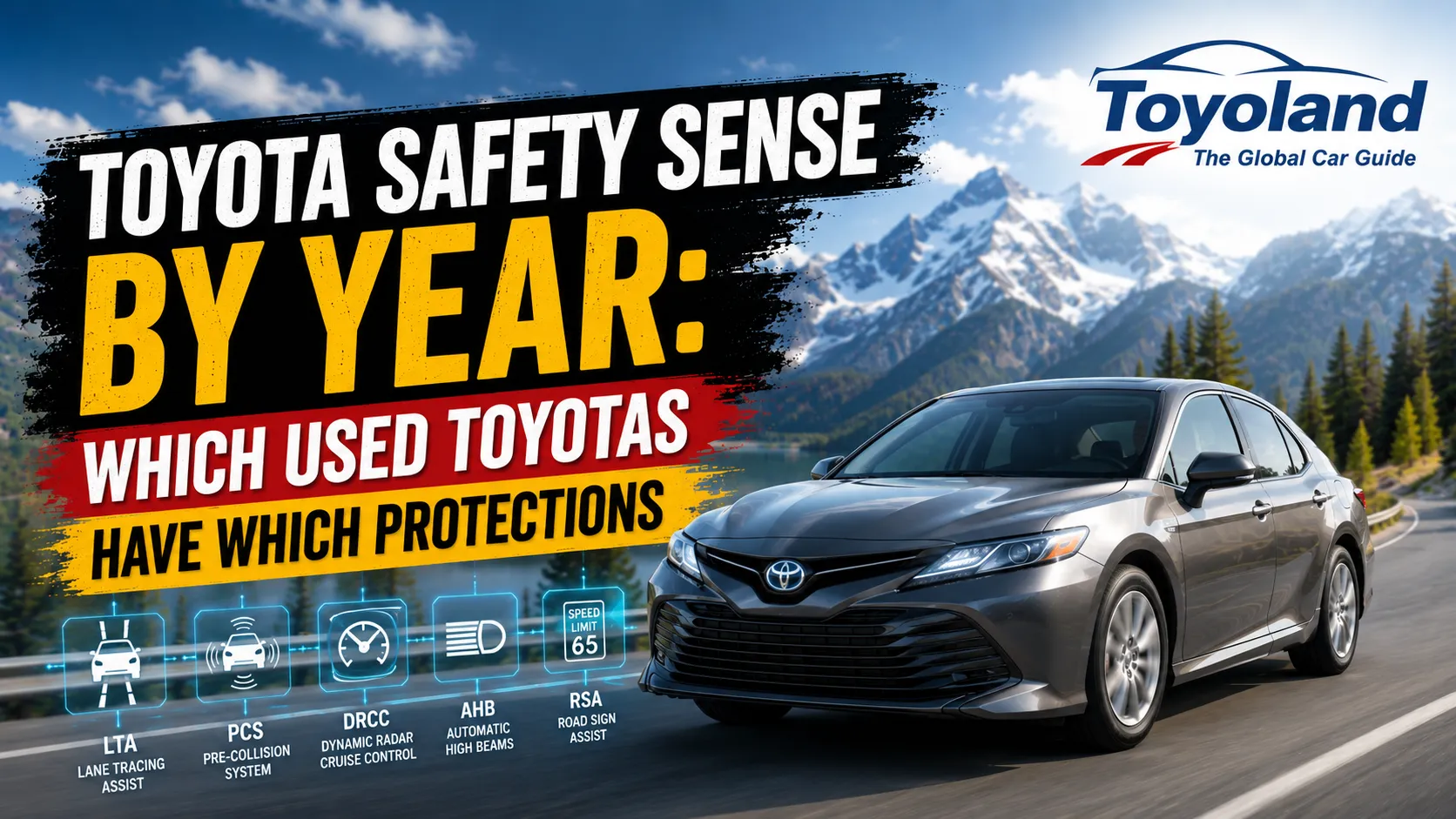
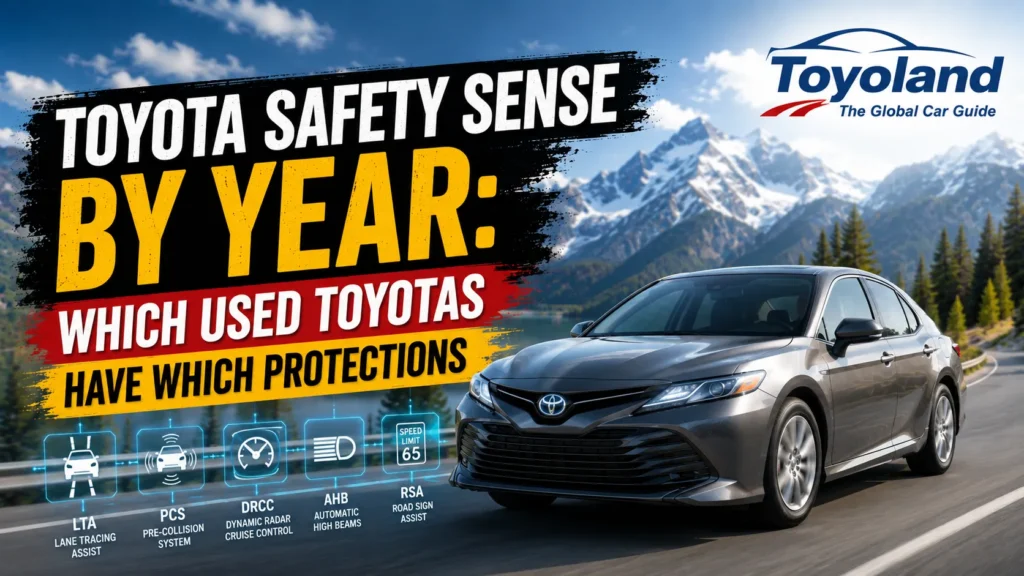
Two used Camrys sit side by side at similar prices, three model years apart — and one will brake for
Here’s what surprises people who read enough of our model guides back to back: the method never changes. Whether it’s
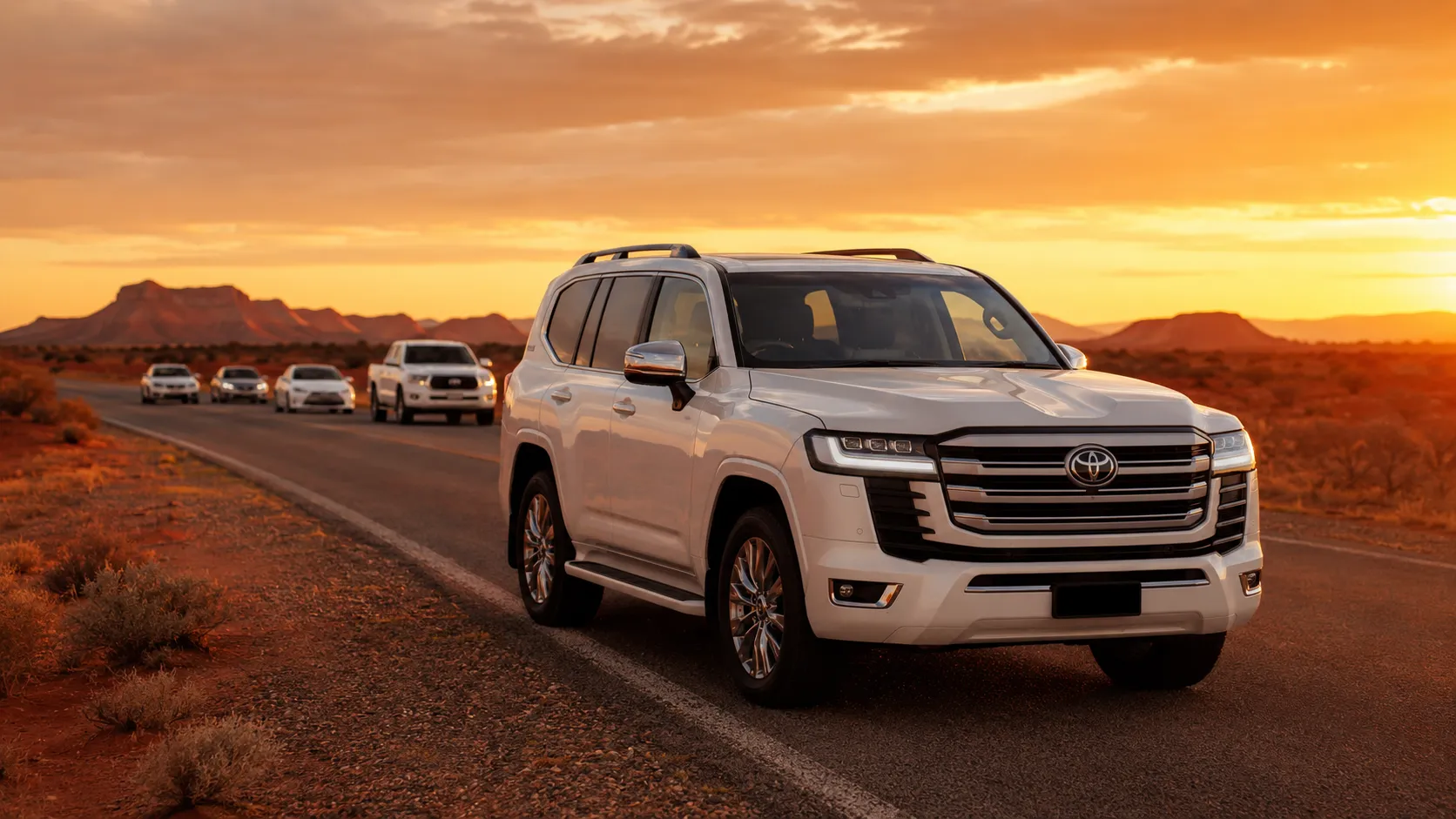
People don’t really buy Land Cruisers — they adopt them. These are vehicles owners keep for twenty years and 300,000
The Venza is the rare nameplate that lived twice — and the two lives have almost nothing in common. The
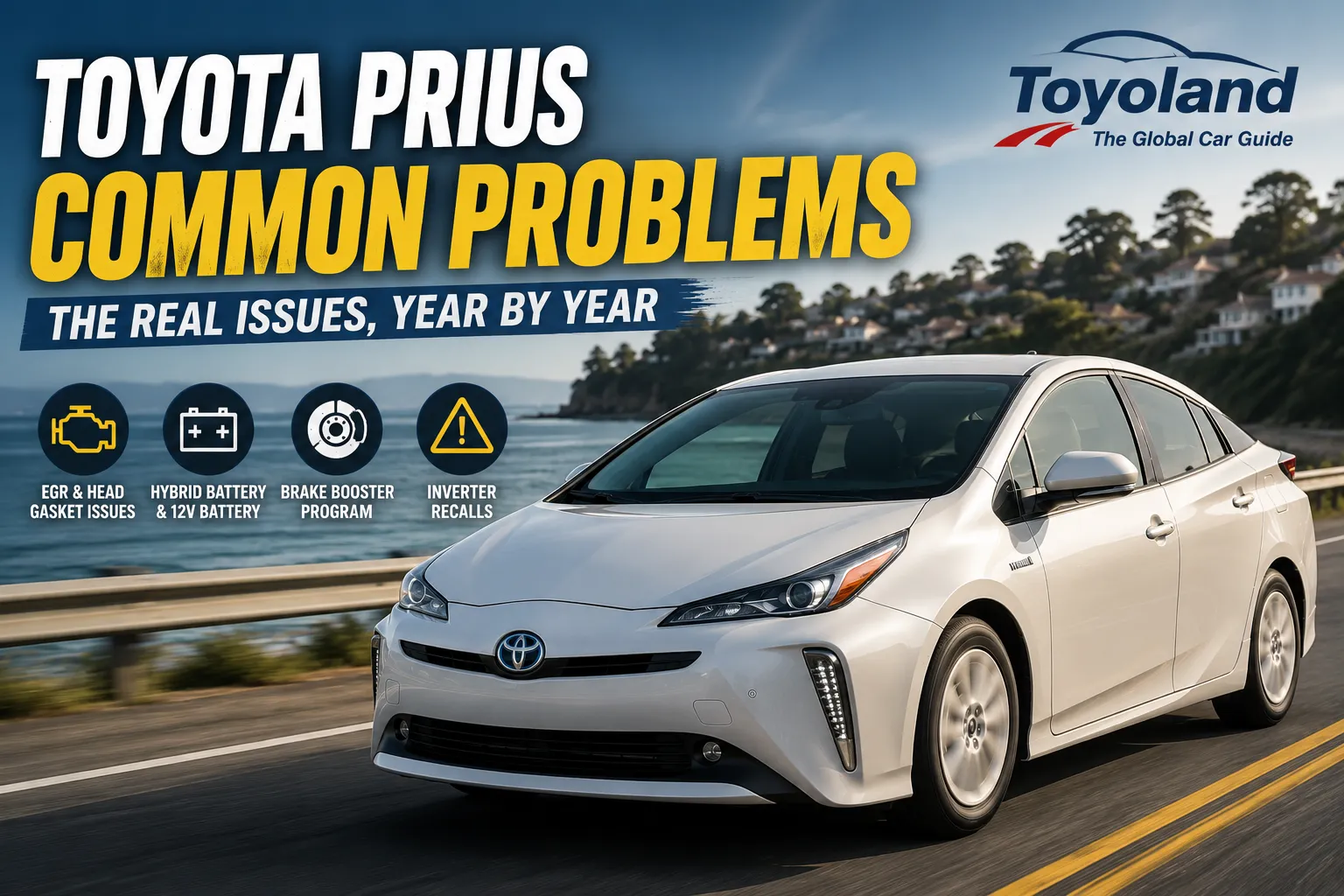
Here’s the joke the used-car market never quite gets: people avoid old Priuses because they’re scared of the hybrid battery
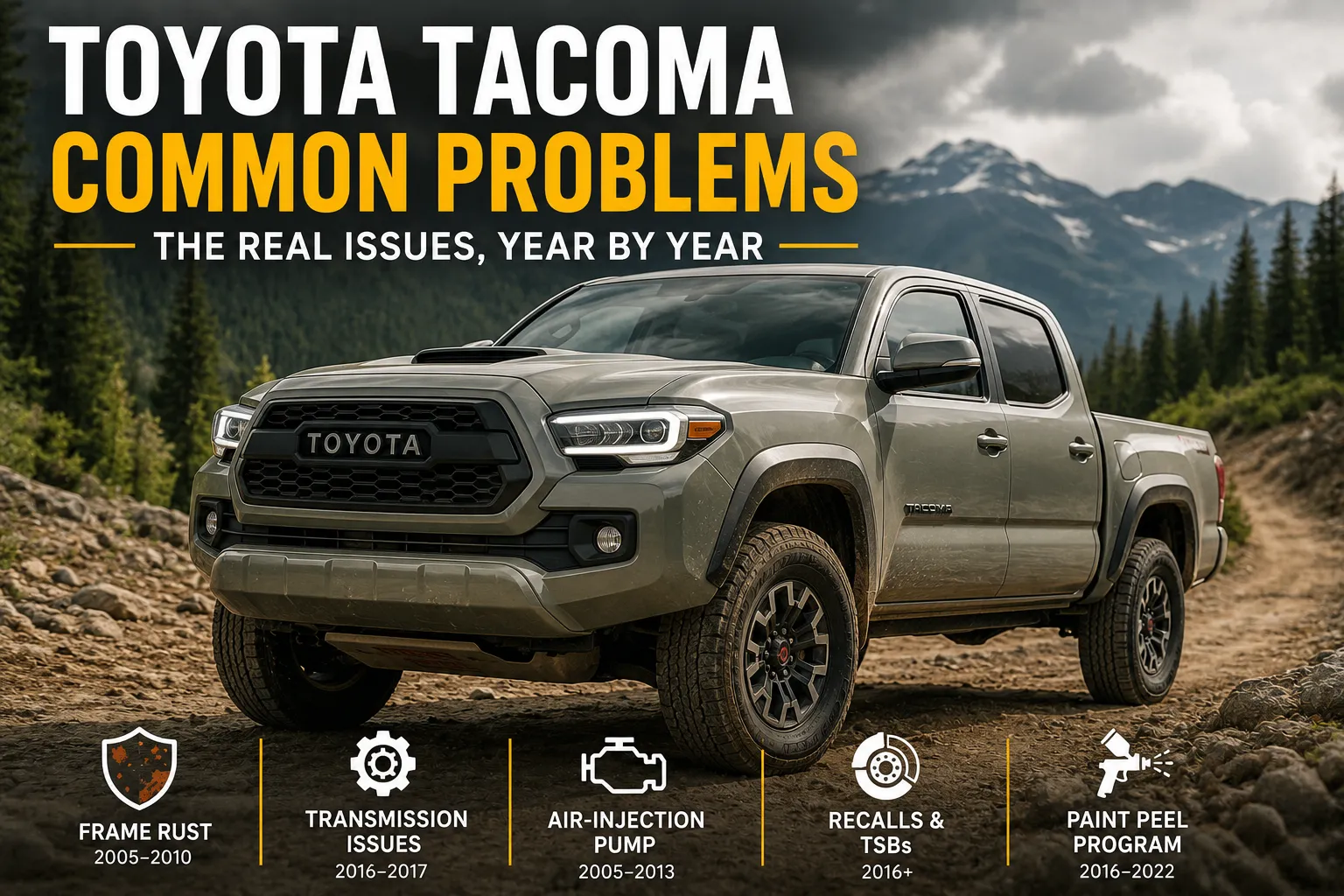
The Tacoma’s resale prices say the market believes these trucks are indestructible. The truth is close — but “close” is
Most Highlander problem lists lead with the eight-speed transmission, because that’s what the forums argue about. Fair enough — but
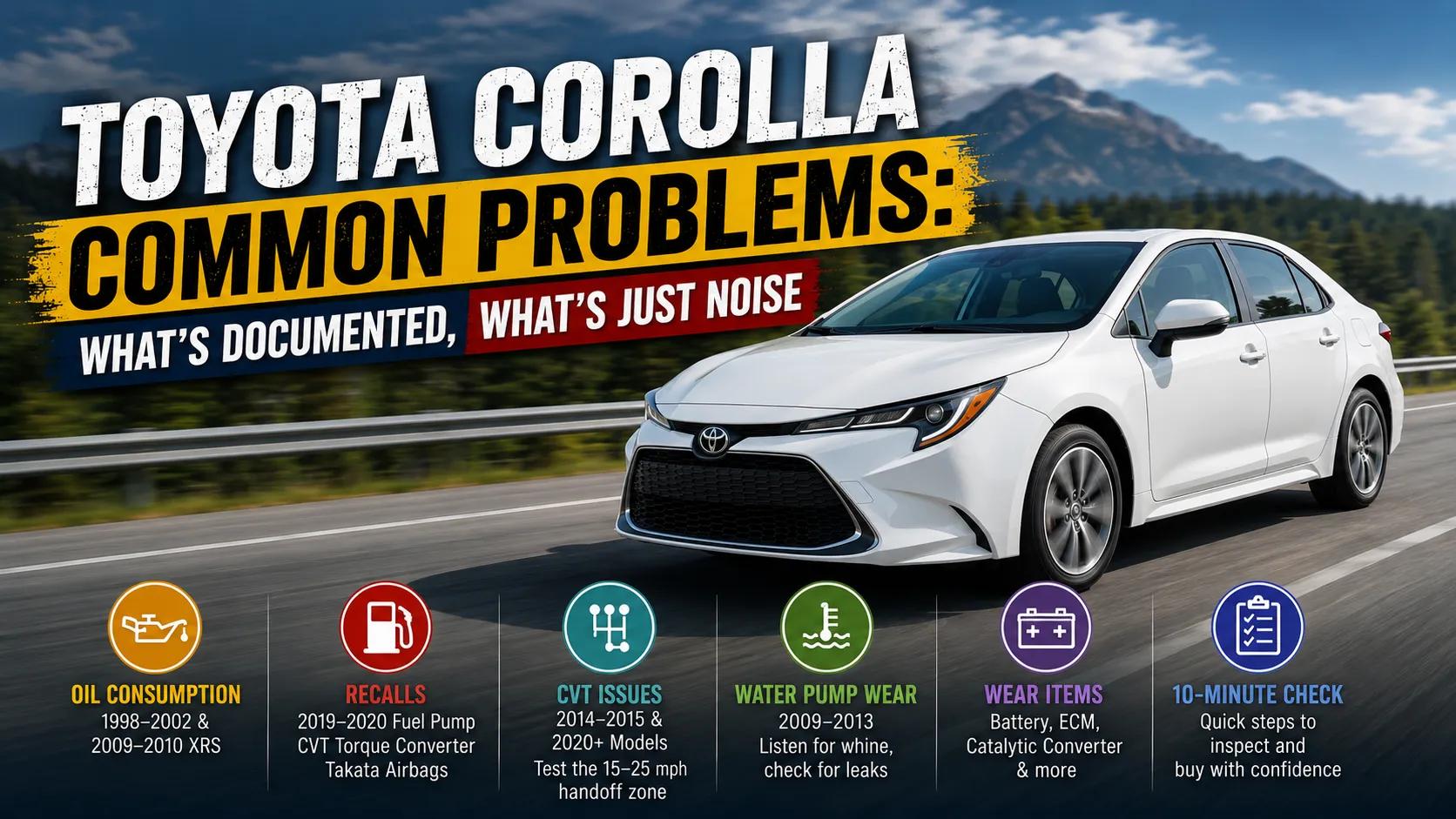
Fifty-million-plus Corollas have been built, which means two things: this is statistically one of the most dependable machines humans have
Ask around a job site and you’ll hear the Tundra legend told in miles: the trucks that hit 250,000 without
The Camry has sold in such enormous numbers for so long that its complaint files look scary out of context
Minivan shopping is the most practical car buying there is — nobody’s chasing a dream here, just eight seatbelts and
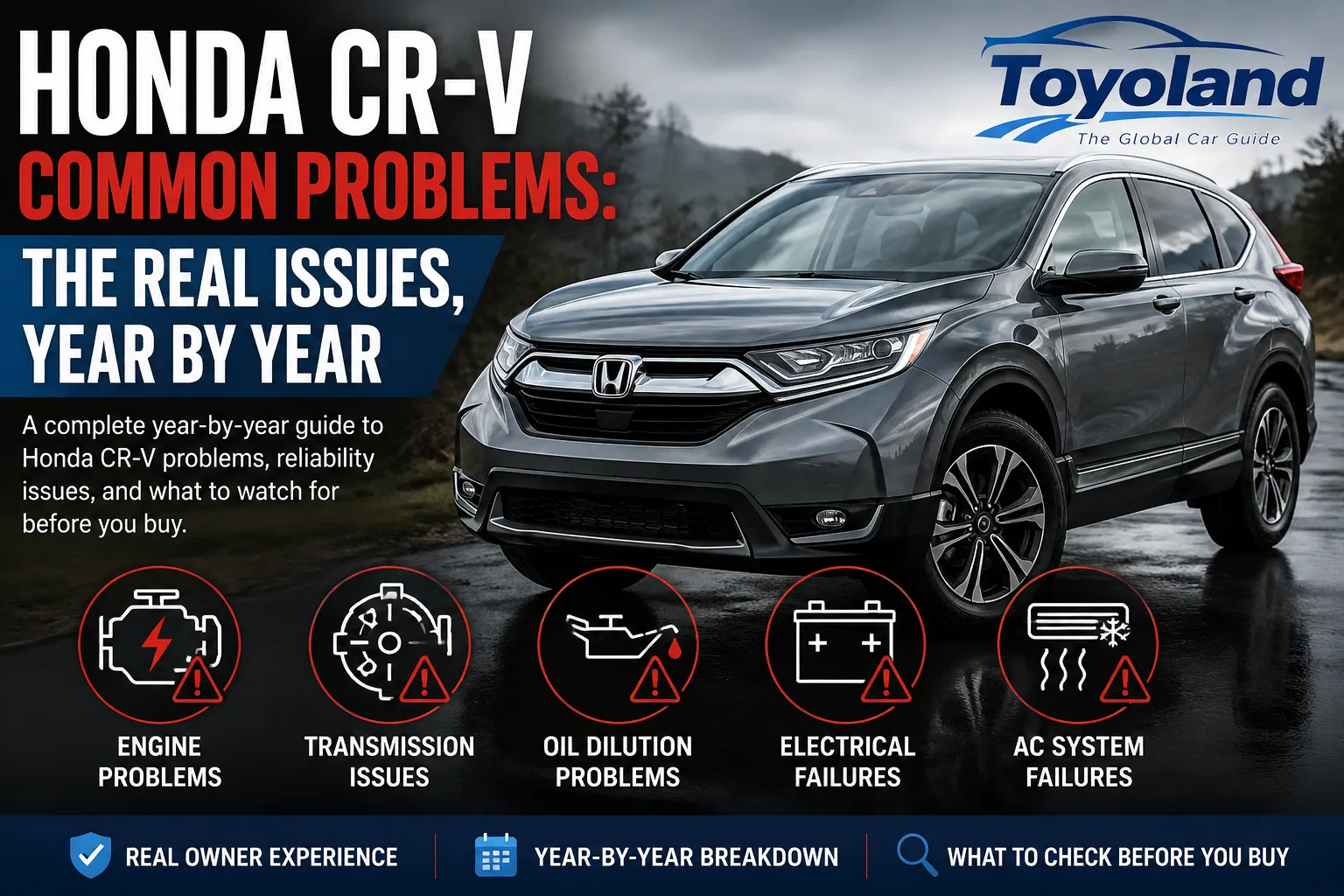
Type “CR-V problems” into a search box and you’ll get two kinds of answers: breathless lists that make Honda’s best-seller
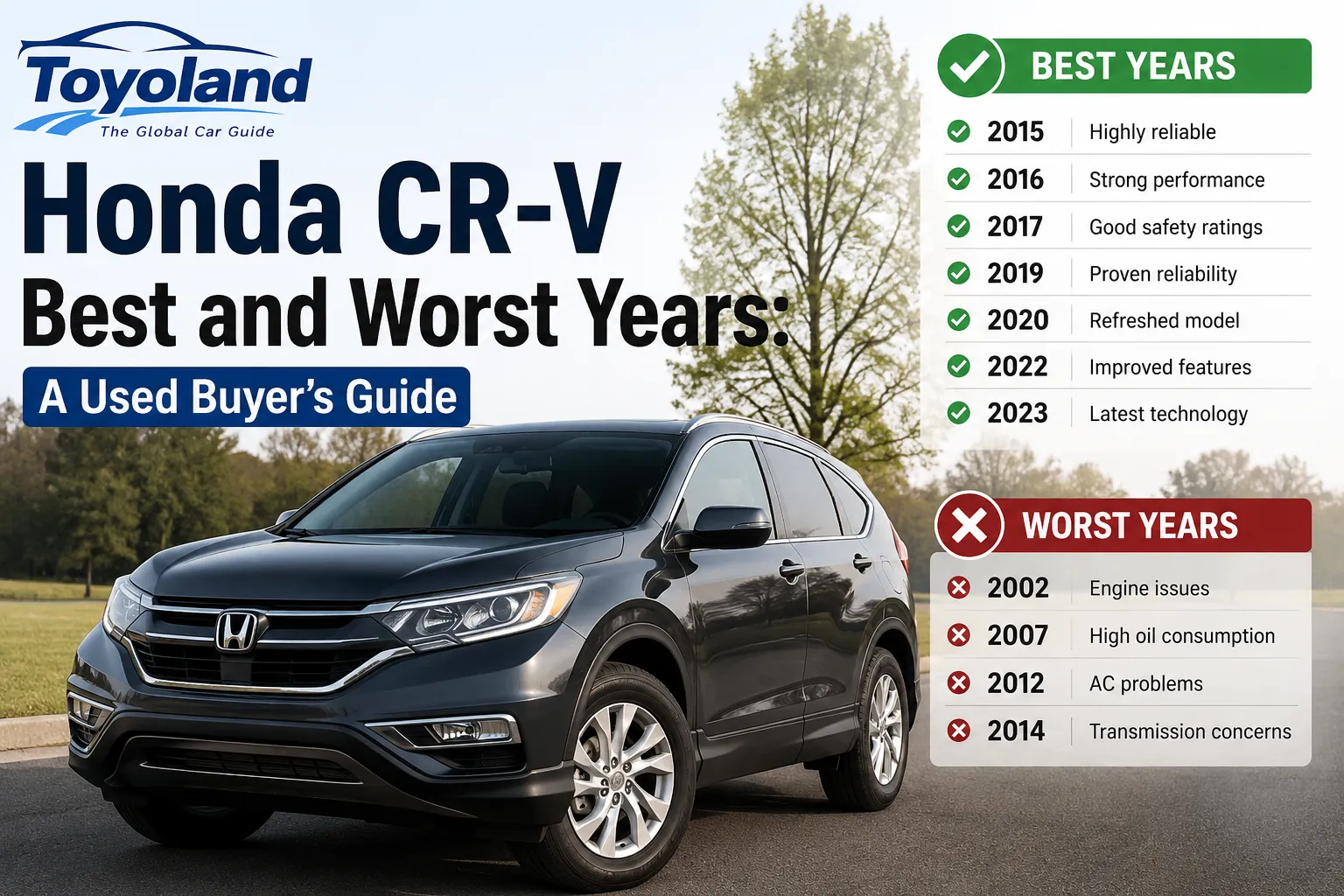
The Honda CR-V has been the default sensible choice in compact SUVs for nearly three decades, and most used examples
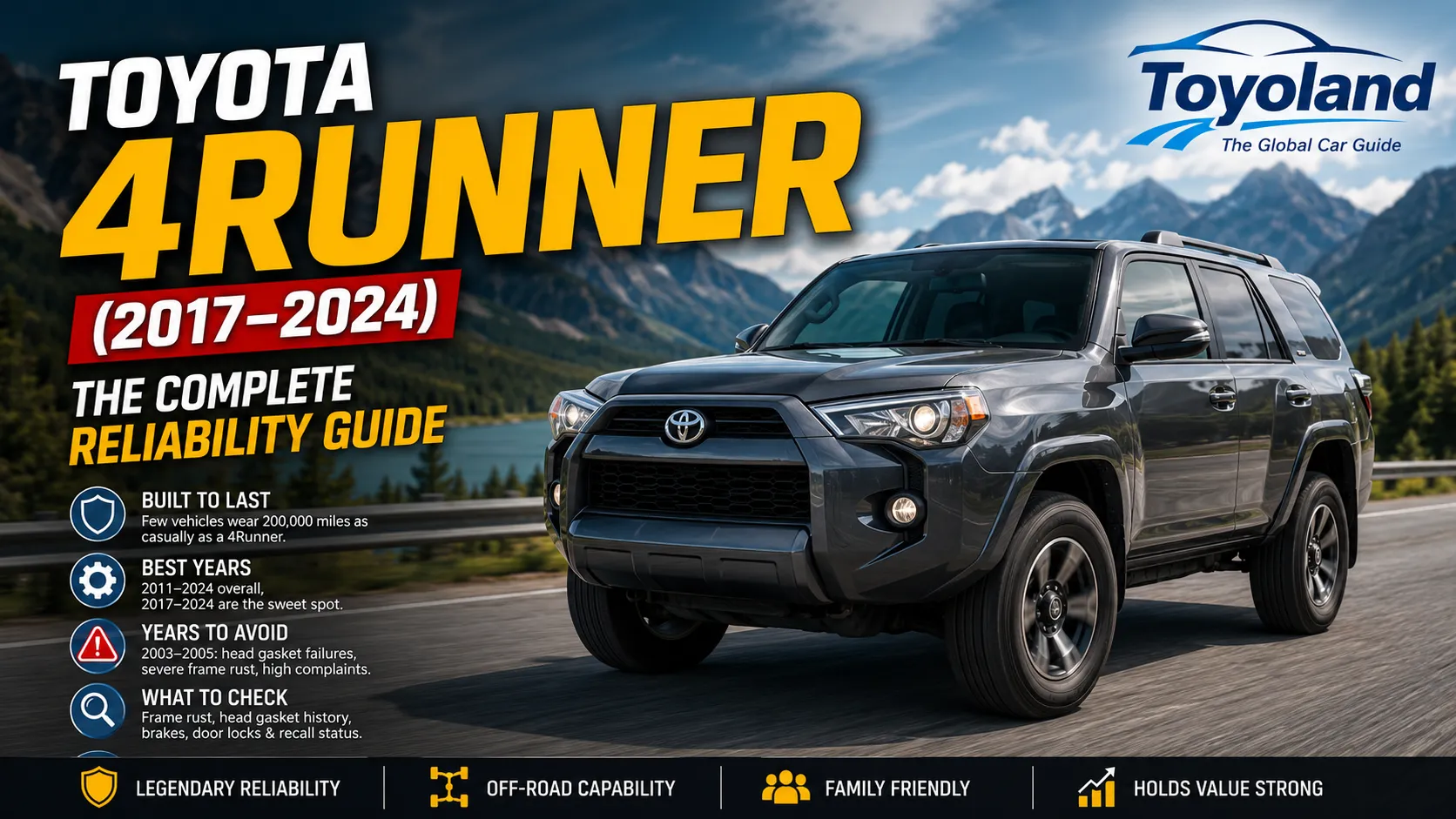
Few vehicles wear 200,000 miles as casually as a 4Runner, and the used market prices that reputation in — which
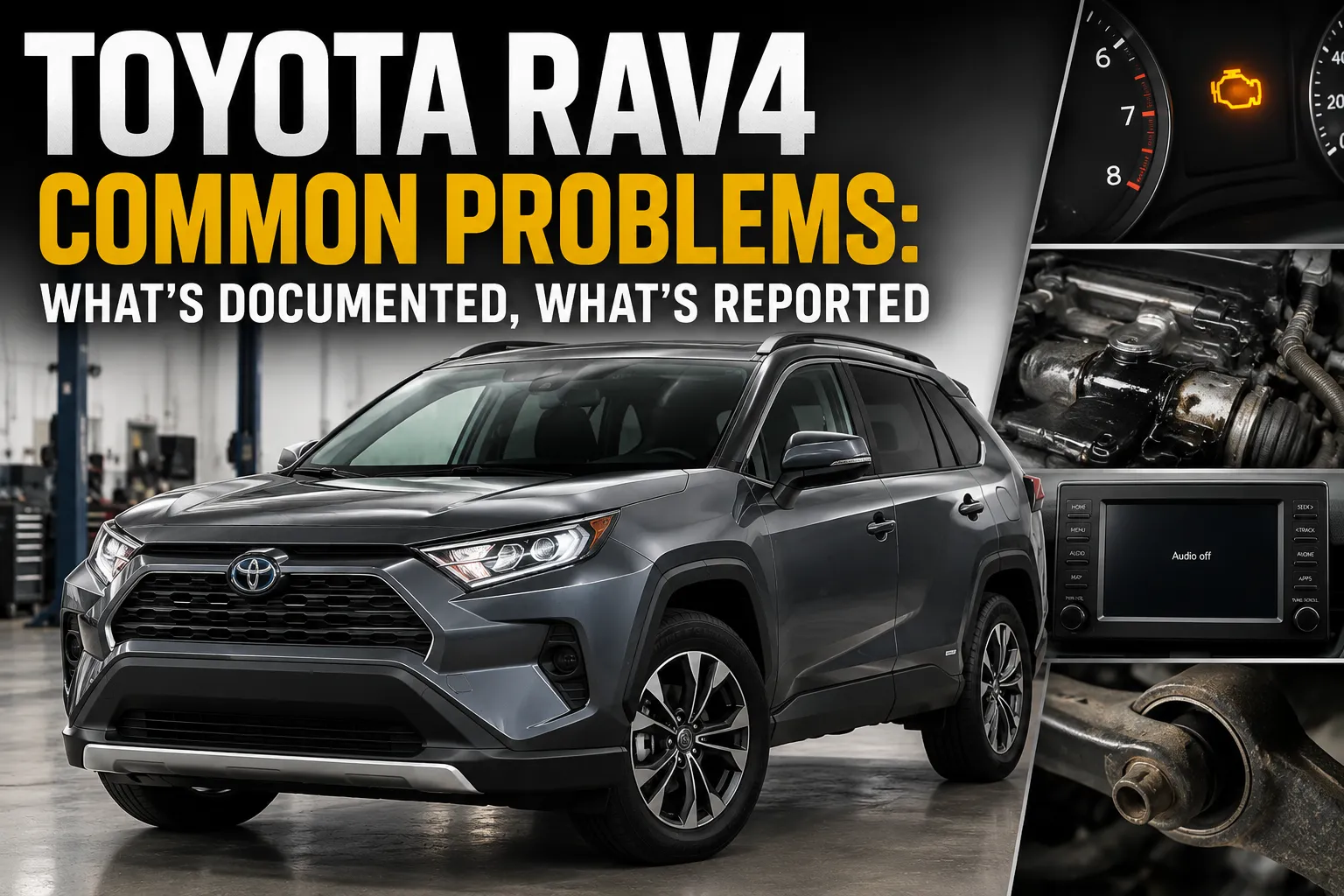
The RAV4 is America’s best-selling SUV and, by most measures, one of the most dependable ways to buy one. But
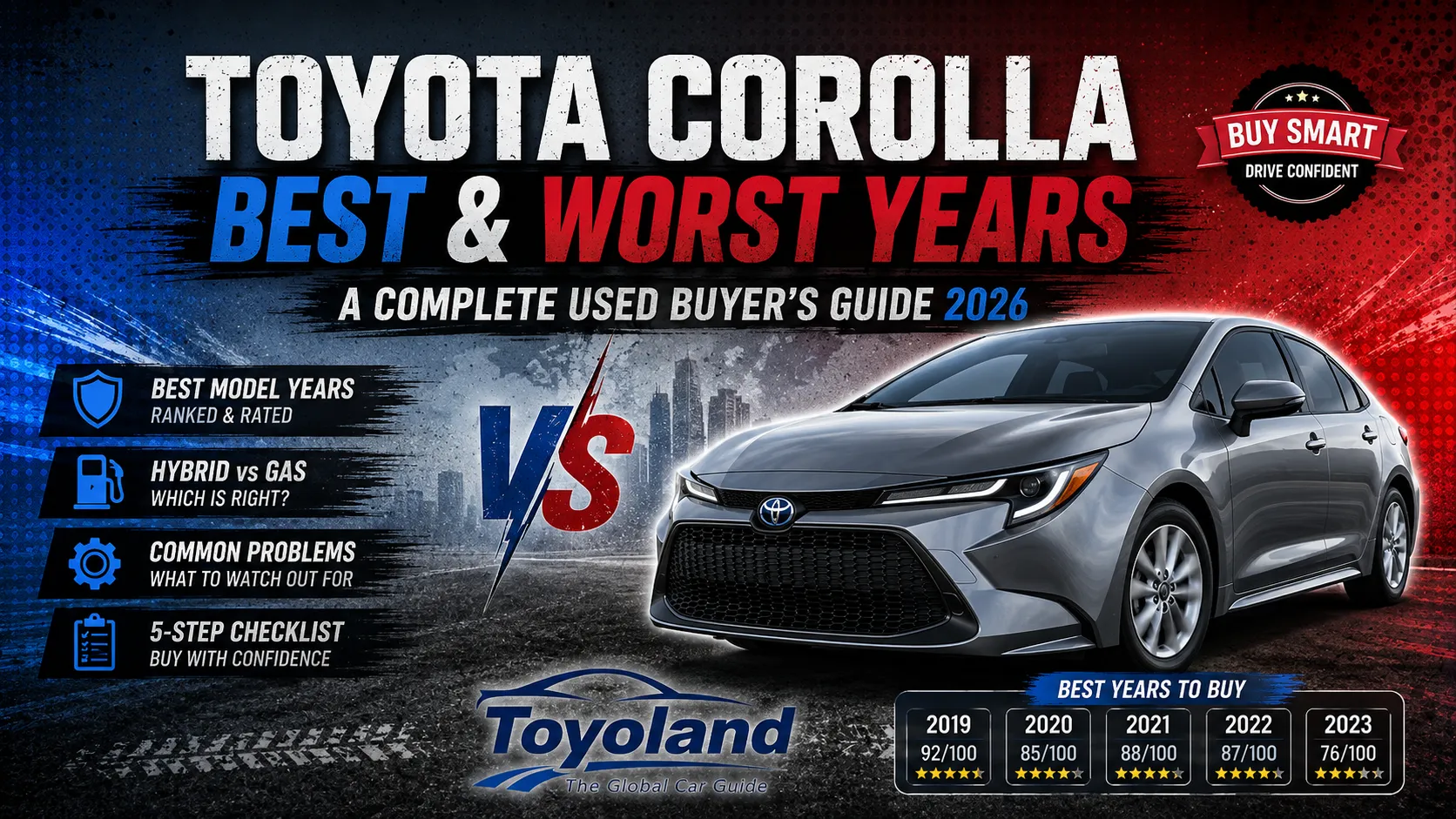
Looking for a used Toyota Corolla in 2026? This guide covers the best model years, common problems, hybrid vs. gas,
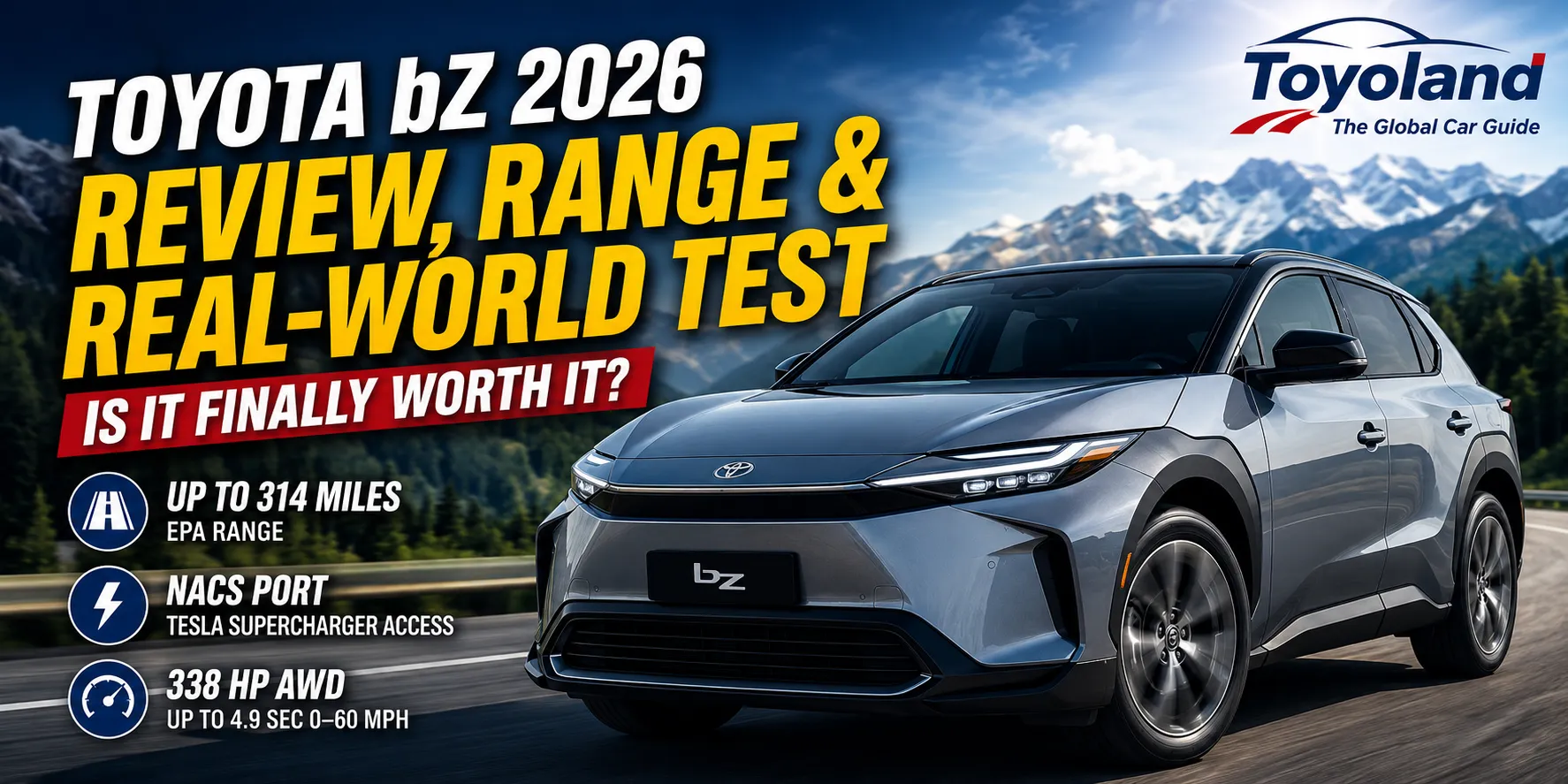
Toyota entered the U.S. mainstream EV market cautiously, launching the bZ4X in 2023 to a lukewarm reception: modest range, slow
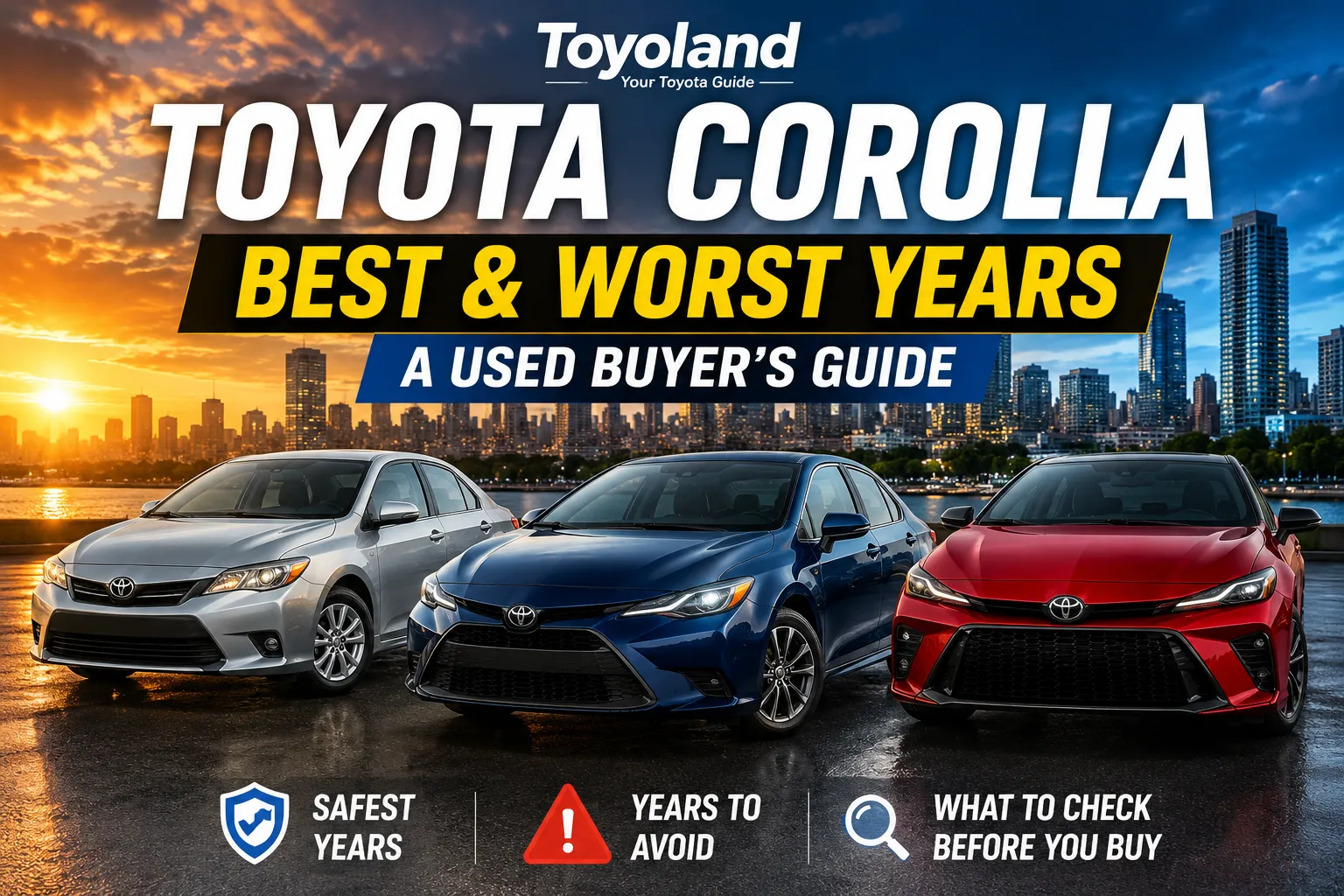
The Toyota Corolla is one of the best-selling cars ever built, and its reputation for lasting a long time is
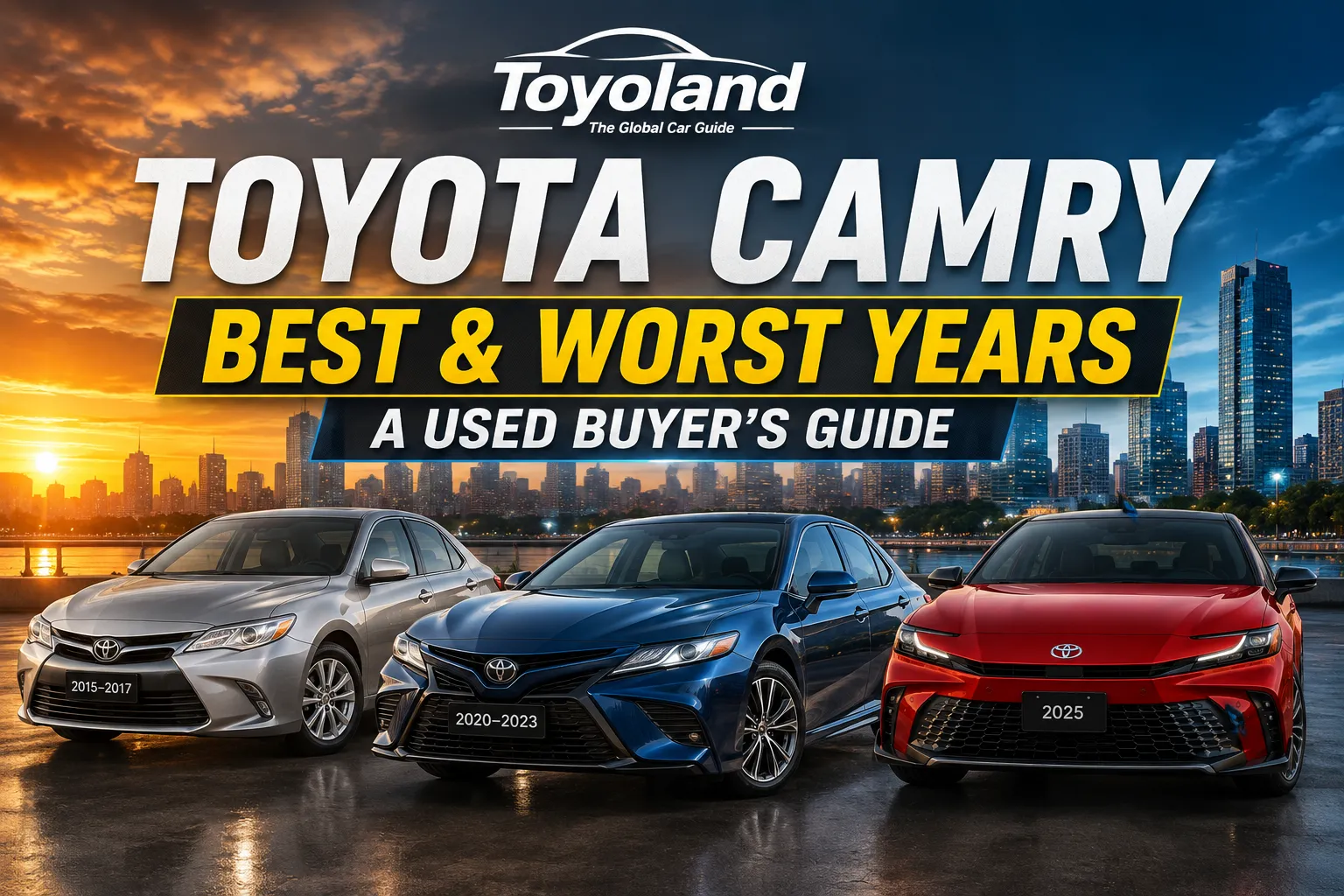
The Toyota Camry has spent decades as the default recommendation for anyone who wants a midsize sedan that simply works.
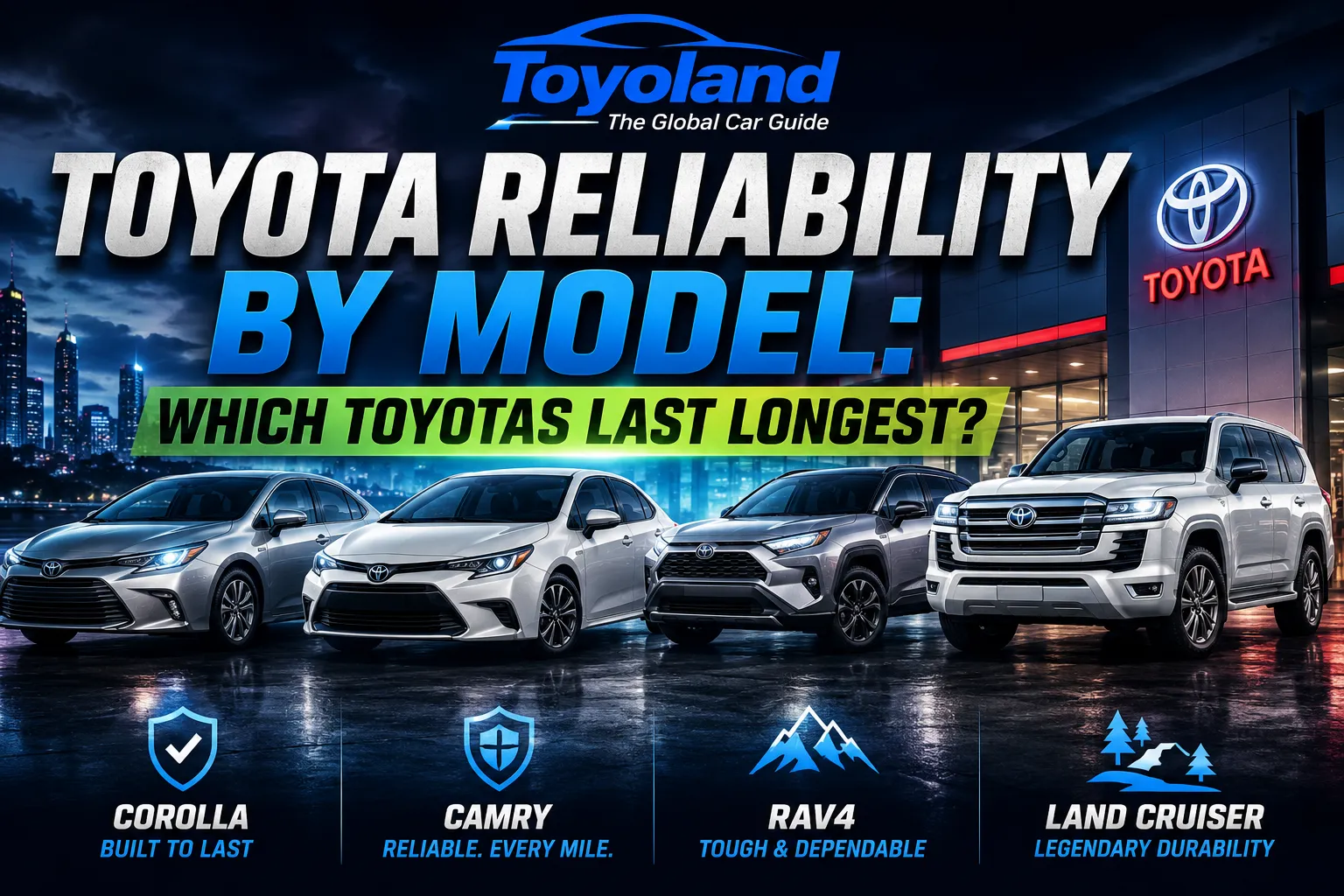
Toyota has spent the better part of sixty years building a reputation most carmakers would trade almost anything for: the
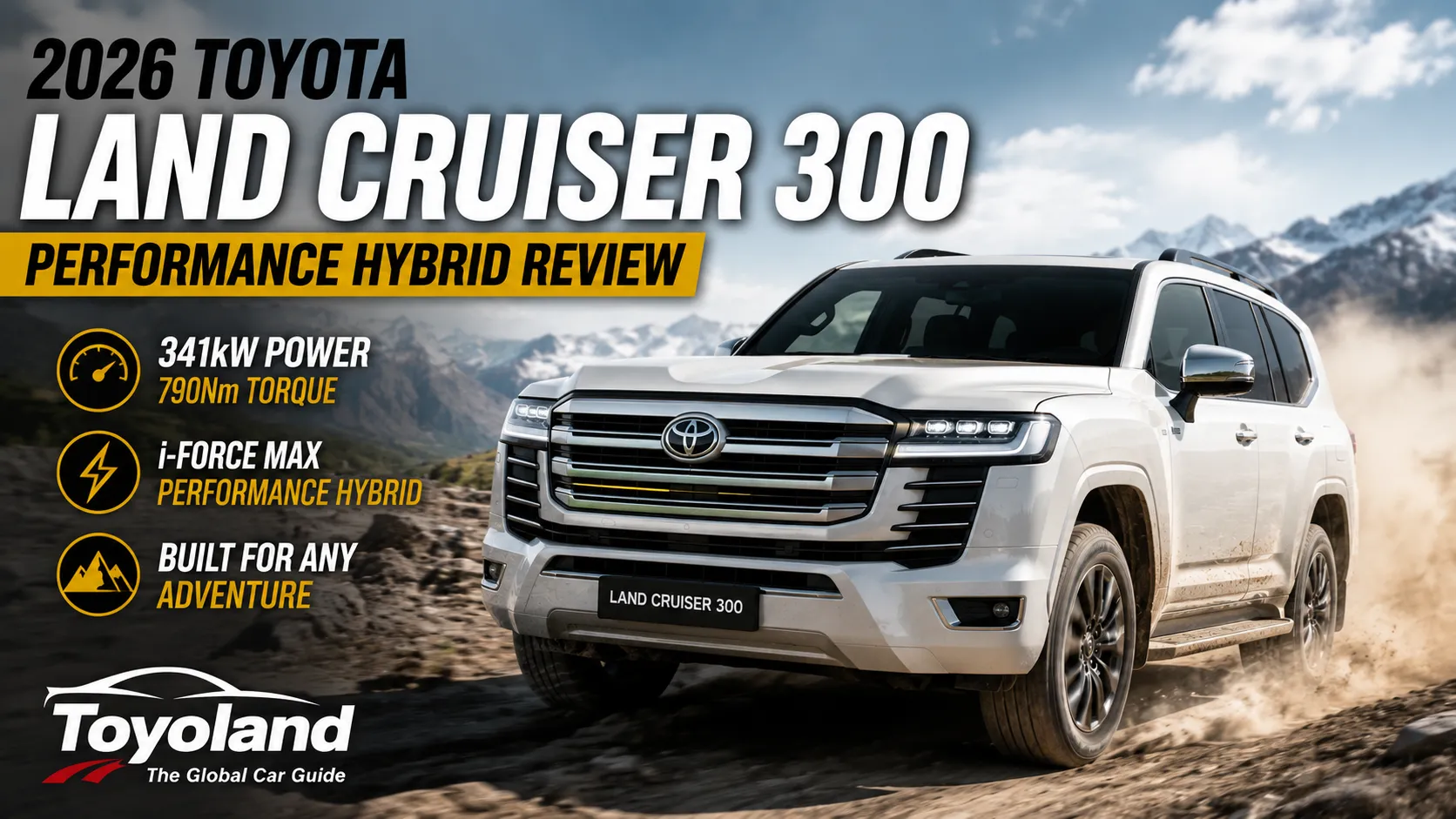
The 2026 Toyota Land Cruiser 300 Performance Hybrid review confirms that Toyota’s first electrified LandCruiser is a revolutionary milestone that
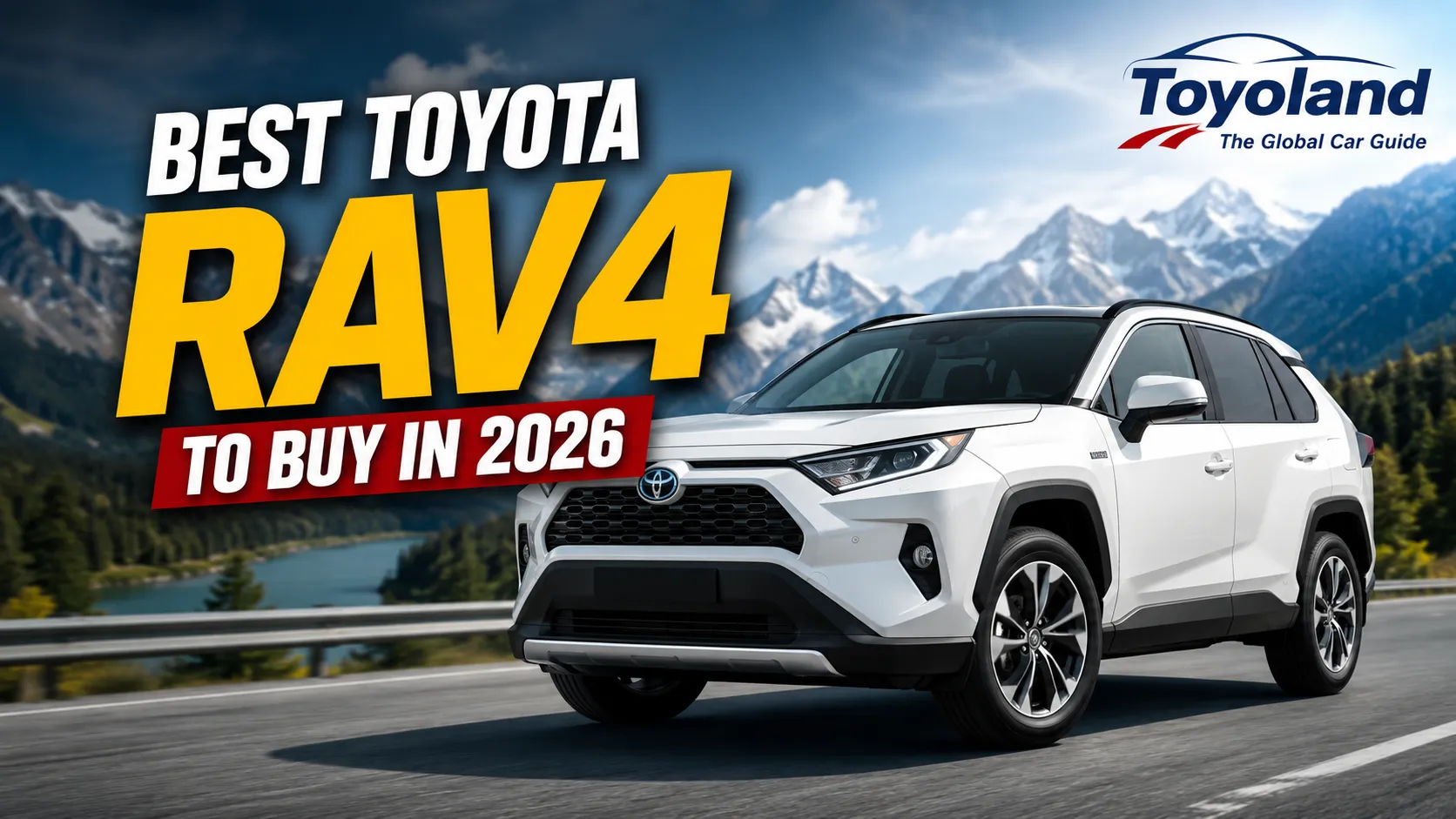
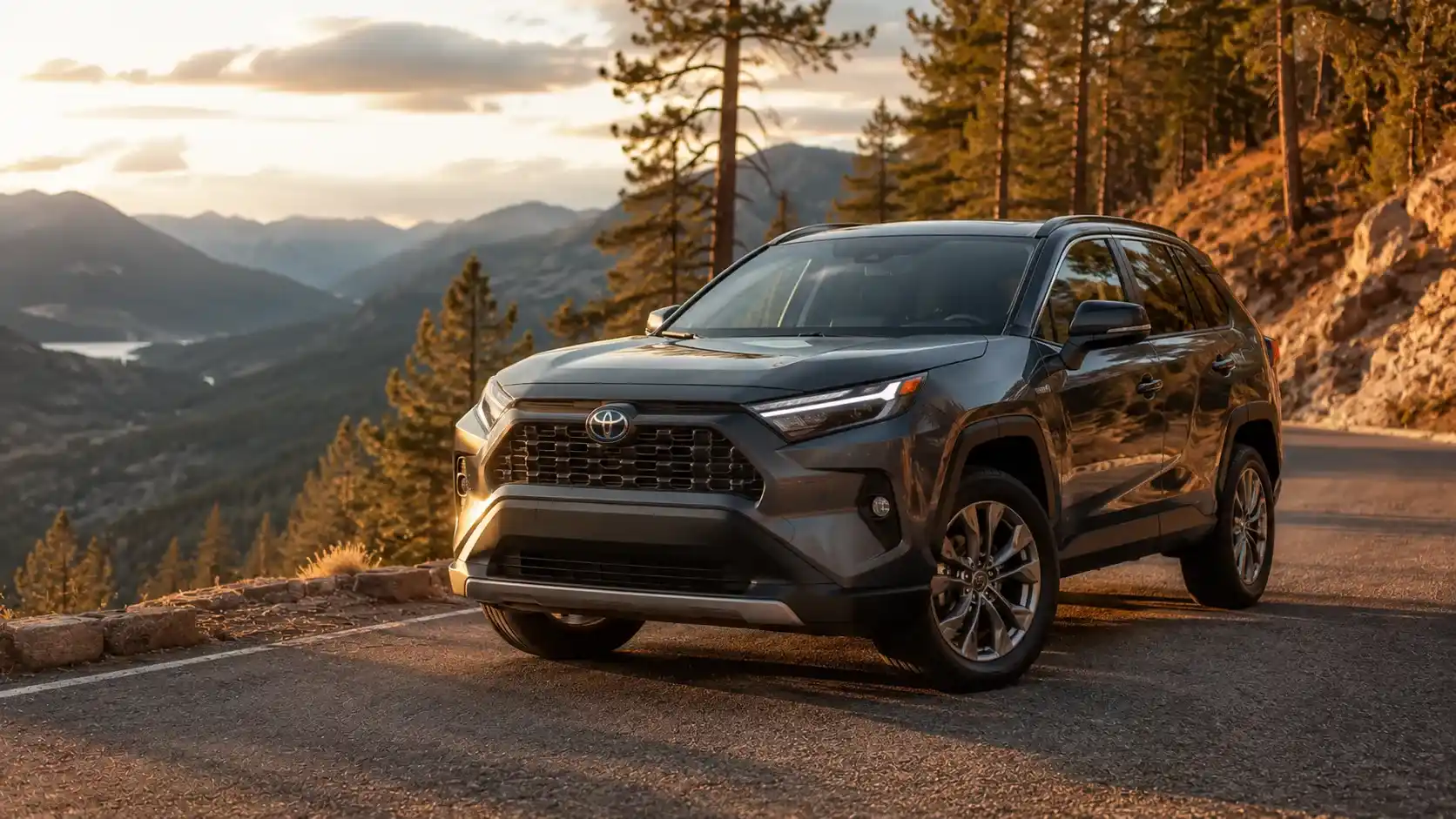
The 2026 Toyota RAV4 remains one of the most popular and reliable vehicles in the compact SUV segment. Why the
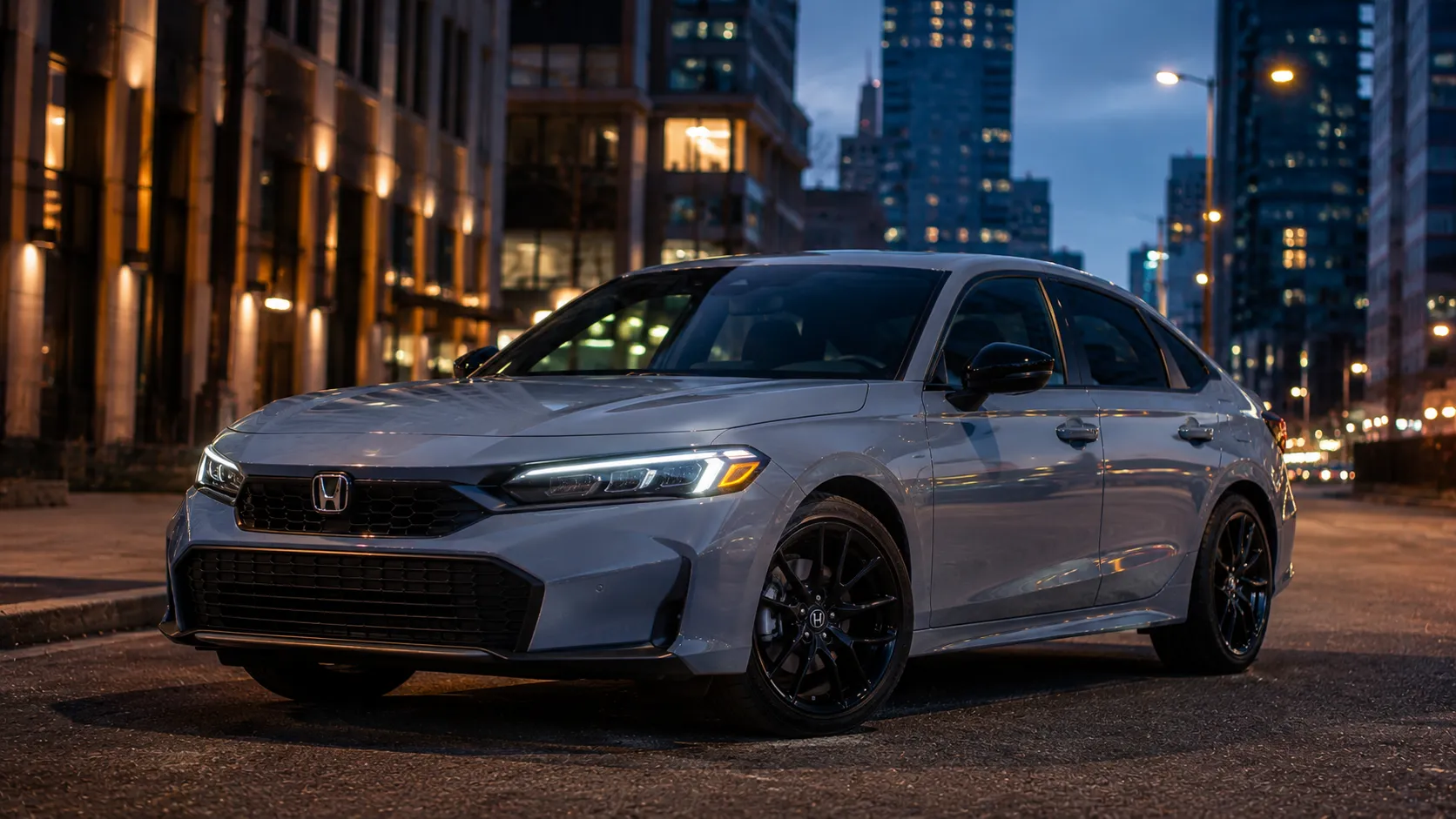
The Honda Civic has been one of the most important cars in the world for over fifty years. That is
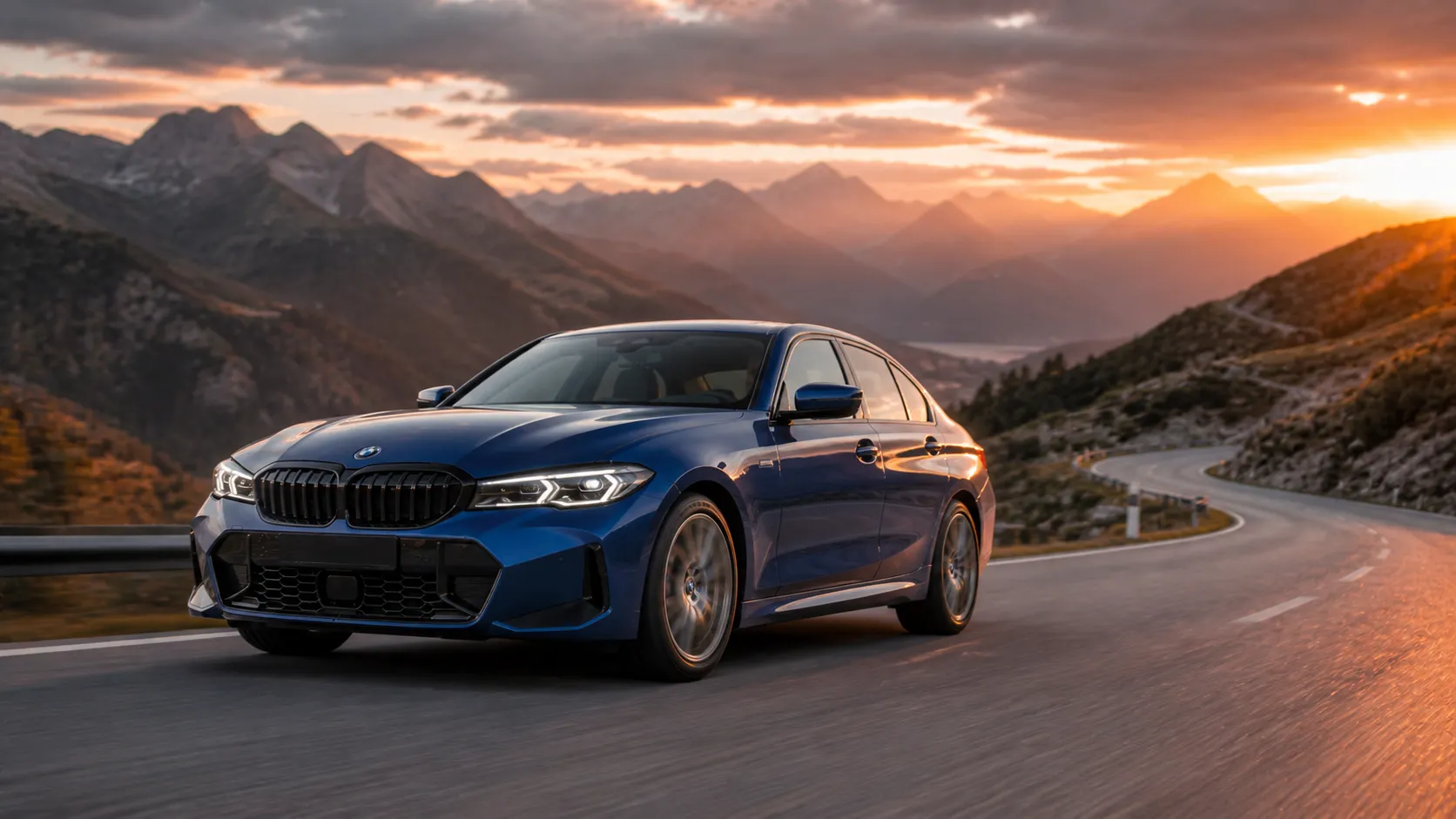
The BMW 3 Series carries a weight of expectation that almost no other car in the world matches. For four
There is a particular kind of automotive competence that does not make headlines. It does not produce record lap times
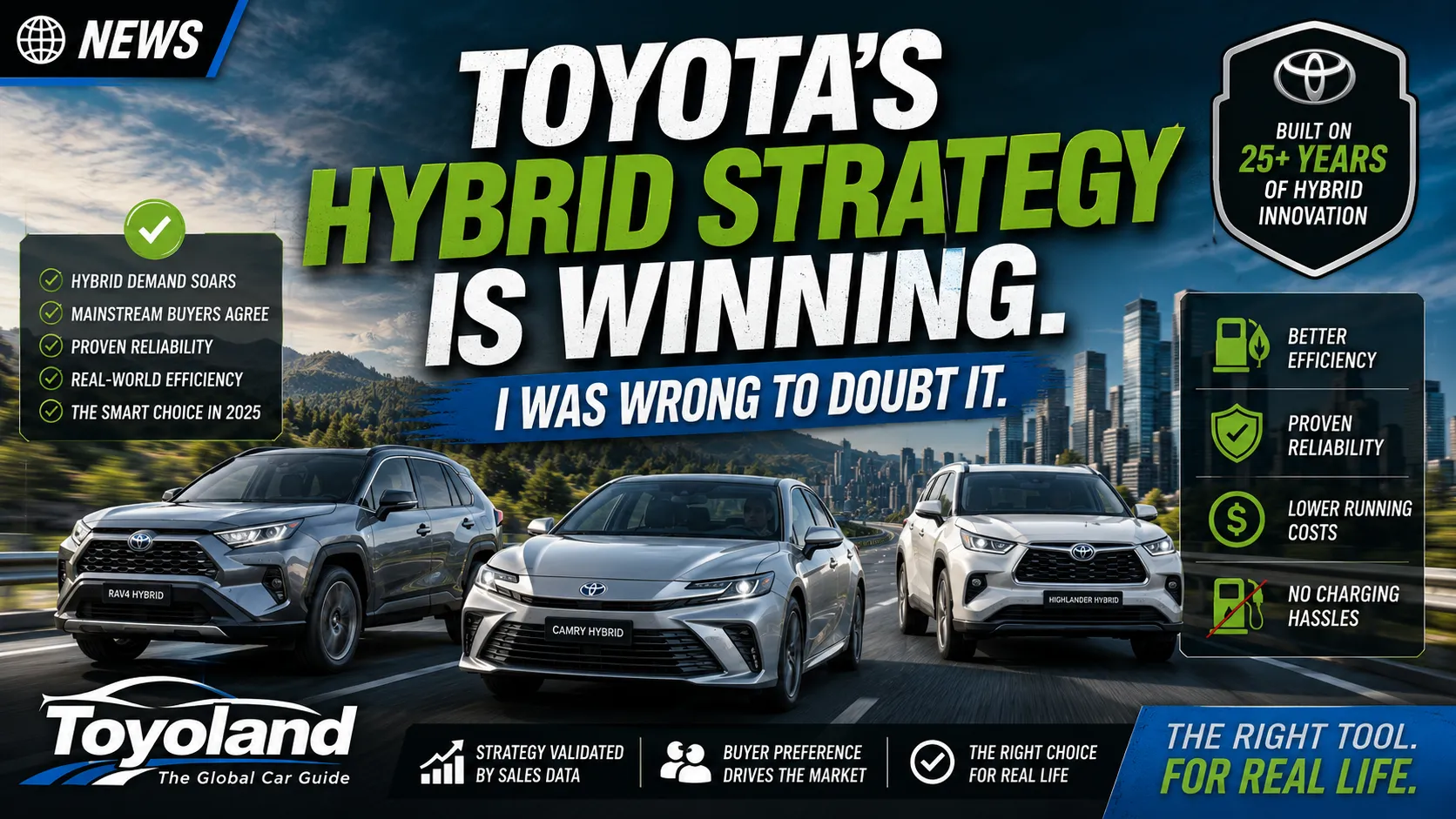
The Toyota hybrid strategy 2025 is becoming a major topic in the automotive world, proving that hybrid vehicles are here
Analyzing the 2025 global car market trends reveals a much messier reality than industry analysts admit. Because 2025 is a
I want to be direct about something before we get into the numbers: the European automotive industry’s response to Chinese
There is more noise around the hybrid-versus-electric question than almost any other topic in motoring right now, and nearly all
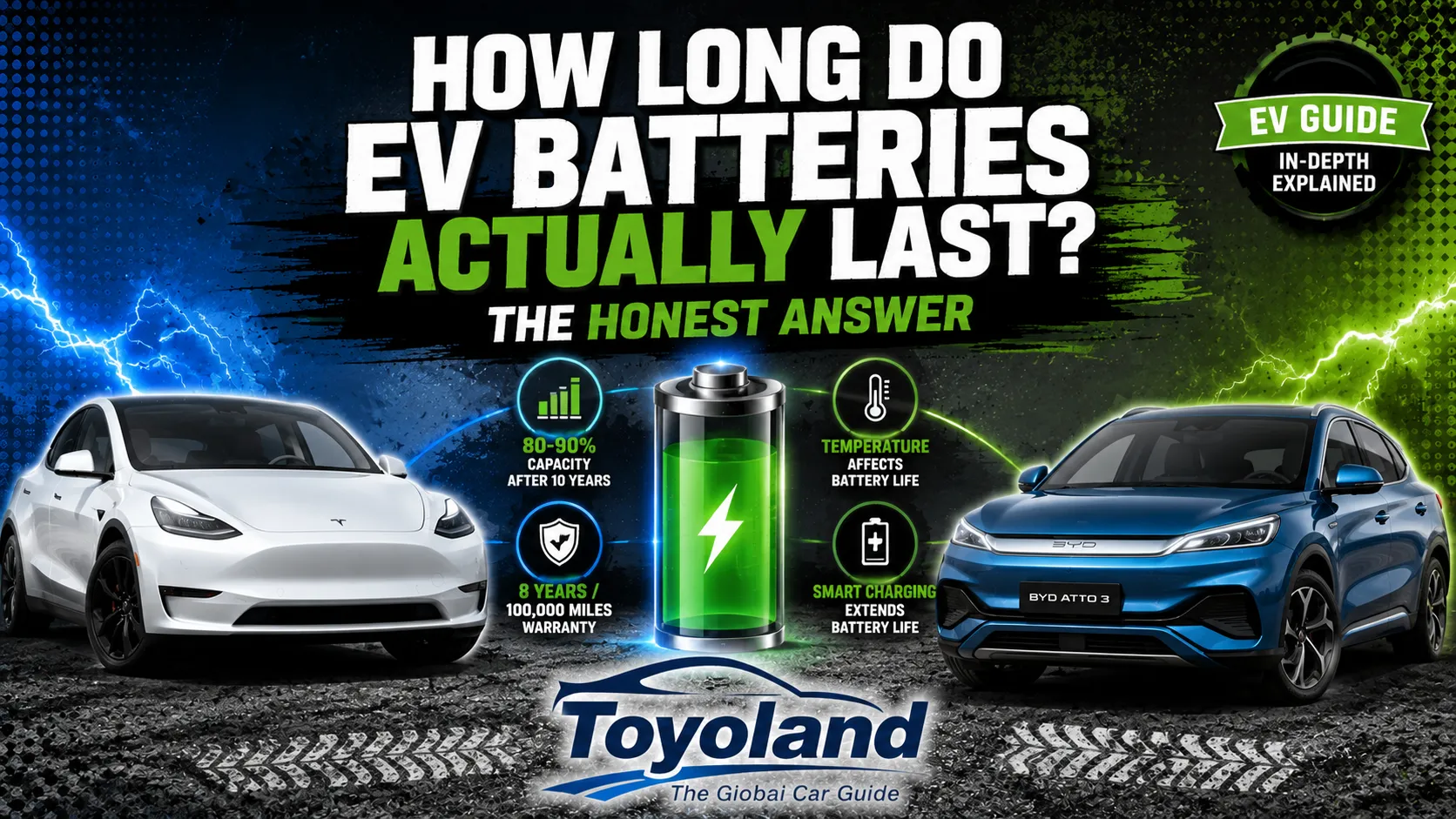
Battery degradation is one of the most discussed and most misunderstood aspects of electric vehicle ownership. The fear of an
The BYD vs Tesla debate is dominating the automotive world, as these two giants compete for leadership in the global
The shift away from pure internal combustion engine vehicles is accelerating, and the choice facing most car buyers in 2024